
SCHAUMBURG, IL – October 23, 2026 – PRESSADVANTAGE –
Woodridge Deck & Gazebo Co. lists three-season and four-season sunrooms among its offerings in the Schaumburg, Illinois, area. The difference is more than a style label: intended use, glazing, heating, roof design and local approval determine whether an enclosure can serve as conditioned living space through winter.
The company’s public sunroom page also describes cathedral, conservatory, straight-eave and covered designs. Those names describe architectural forms, not an automatic promise of winter comfort. A glass-heavy roof can brighten a space while changing its heat gain, heat loss and maintenance needs, and a solid roof changes the balance of daylight and enclosure performance. Any comparison should start with the actual assembly proposed for a particular property rather than an assumed performance attached to a name.
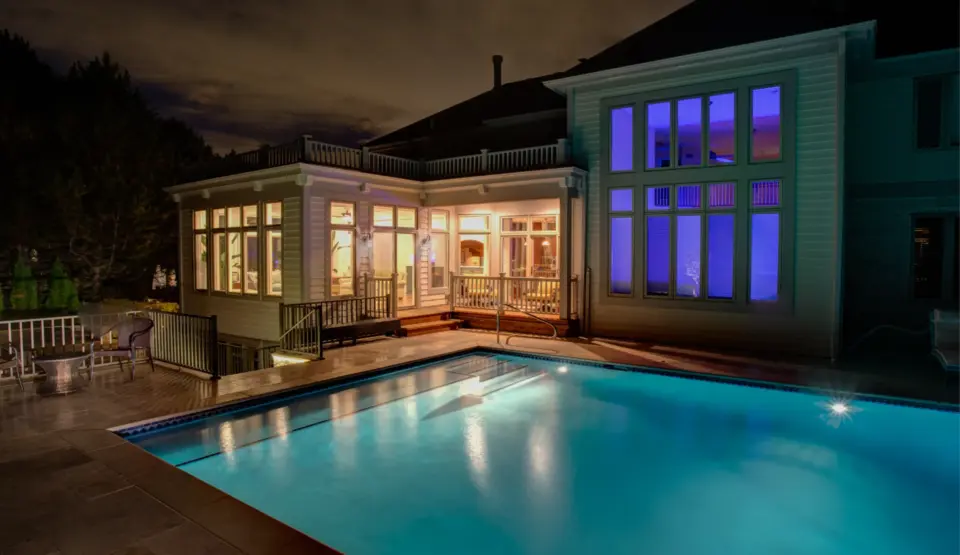
A 1994 U.S. Department of Energy sunspace guide produced by the National Renewable Energy Laboratory distinguishes year-round living from other uses. It notes that the angle and type of glazing affect performance: sloped glass may collect more winter sun but also lose more heat at night, gather snow and overheat in warm weather. Vertical glazing and shading can change that balance. Orientation, nearby landscape, thermal mass and ventilation all matter, so a drawing that shows abundant glass is not by itself an energy analysis.
A three-season enclosure may be intended for use during milder portions of the year, while a four-season proposal ordinarily needs a more complete plan for insulation, glazing, air sealing and heating and cooling. That does not mean every four-season room will hold the same temperature as the rest of a home regardless of weather. Comfort depends on its actual envelope, equipment capacity and installation, as well as how doors and openings connect it to the existing house. Those details need to be established for the project rather than assumed from a marketing category.
The question also affects the scope of municipal review. Schaumburg’s residential addition guide says an addition requires a permit and lists a survey plat, stamped architectural drawing set, floor plan, section views, elevations and load information for habitable room additions among submittal requirements. The village states that a hired contractor needs its local business license before a permit can be issued. Whether a particular sunroom is reviewed as an addition, and which additional requirements apply, must be confirmed with the village for the property and proposed design.
Early design discussions should therefore distinguish a seasonal enclosure from a habitable addition before choosing the roofline or interior finishes. A plan can show the relationship between the proposed room and the house, the proposed foundation and roof structure, the extent of glazing, and any planned electrical or mechanical work. If the use changes from occasional seasonal occupancy to a heated room, the drawing and permit scope may have to change as well. The village’s review, not a label in a brochure, controls what the municipality will accept.
The company’s website describes 3D modeling and a showroom, but project-specific scope still needs to be confirmed before an owner relies on either service. Its public sunroom listings identify three- and four-season designs without publishing thermal calculations or written specifications for every combination of roof, wall, glazing and equipment. Property owners evaluating proposals should request the actual specification and discuss site conditions and permit responsibility before treating any design as year-round living space.
A roof configuration has structural consequences separate from thermal comfort. The shape, span and loads of the proposed assembly need to be shown in the documents reviewed for that property. The village’s addition guidance expressly requests roof and foundation section information and load information for habitable additions. It would be misleading to promise that one roof style universally has greater snow capacity than another without comparing engineered designs and local approvals.
###
For more information about Woodridge Deck & Gazebo Co., contact the company here:
Woodridge Deck & Gazebo Co.
Cristina B
+18472500086
chicagocristy@gmail.com
2246 Palmer Dr #101, Schaumburg, IL 60173, United States


