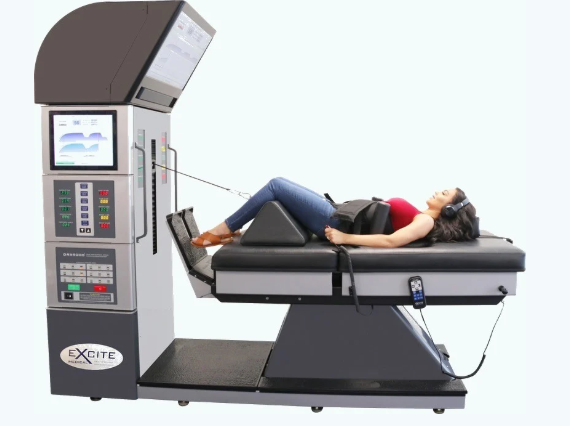
Frisco Spinal Rehab outlines how DRX9000 spinal decompression may support non-surgical care for herniated discs and lower back pain in Frisco, TX.
FRISCO, TX, UNITED STATES, September 18, 2026 /EINPresswire.com/ — Frisco Spinal Rehab, a chiropractic and spinal rehabilitation clinic serving Frisco for approximately 25 years, provides non-surgical spine care for patients with disc-related conditions, nerve-related symptoms, and chronic back and neck pain. The clinic uses multiple DRX9000 systems for lumbar and cervical spinal decompression and also provides chiropractic care, massage therapy, acupuncture, shockwave therapy, PEMF therapy, and other supportive rehabilitation approaches.
DRX9000 Herniated Disc Treatment in Frisco, TX
A herniated disc can develop when the inner material of a spinal disc moves through a weakened or damaged outer portion of the disc. Depending on its location and severity, the condition may contribute to localized back or neck pain as well as symptoms associated with irritation or compression of nearby nerves. Treatment decisions generally depend on the patient’s symptoms, medical history, examination findings, and other clinical factors.
The clinic’s spinal decompression program uses the DRX9000 system as part of its approach to disc-related conditions. The treatment is designed to apply controlled decompressive forces to targeted areas of the spine. The clinic describes the system as computer-controlled and intended to address specific spinal segments rather than applying a general pulling force to the entire spine.
The stated objective of decompression therapy is to reduce mechanical pressure associated with certain disc and nerve conditions. The treatment approach may also be used in cases involving bulging discs, degenerative disc changes, sciatica, pinched nerves, and selected cases of spinal stenosis. Suitability varies according to the individual condition, and treatment is not appropriate for every patient.
How DRX9000 Spinal Decompression Is Used
Spinal decompression involves controlled movement intended to create changes in the loading and pressure experienced by targeted spinal structures. According to the clinic’s treatment information, the DRX9000 is used to provide targeted decompression rather than relying on conventional traction or inversion techniques. Treatment sessions described on the clinic’s website generally last approximately 25 to 30 minutes, although treatment schedules can vary based on individual circumstances.
The clinic’s materials describe several intended effects of the treatment, including reducing pressure affecting discs and nerves, supporting disc hydration, and creating conditions that may assist the body’s natural recovery processes. These descriptions represent the treatment rationale presented by the organization and should not be interpreted as a guarantee of clinical results for any individual.
The approach is particularly relevant to patients whose symptoms are associated with disc compression or nerve irritation. Conditions discussed in the clinic’s treatment materials include lumbar disc herniation, cervical disc herniation, bulging discs, degenerative disc disease, sciatica, and certain forms of spinal stenosis.
Using DRX9000 Decompression for Disc-Related Lower Back Pain
Lower back pain can have multiple causes, including disc disorders, nerve compression, degenerative changes, muscular problems, injuries, and other spinal conditions. Because the underlying cause can differ from one person to another, the evaluation of persistent lower back pain is an important component of determining an appropriate treatment approach.
The DRX9000 is incorporated into the clinic’s spinal rehabilitation services for patients whose lower back symptoms are associated with conditions that may respond to decompression-based care. The clinic’s published materials describe its use for lumbar disc problems, sciatica, degenerative disc conditions, and certain cases of spinal stenosis.
Symptoms associated with lumbar disc and nerve conditions can include localized back pain, pain extending into the hip or leg, numbness, tingling, or weakness. Sciatica, for example, can involve pain that travels from the lower back through the hip and leg when the sciatic nerve or its associated nerve roots become irritated or compressed.
For patients with lower back pain related to disc or nerve pressure, the treatment strategy may focus on reducing mechanical stress around the affected structures while supporting mobility and rehabilitation. The appropriate course of care depends on the underlying diagnosis and the patient’s individual circumstances.
A Broader Approach to Spinal Rehabilitation
Spinal decompression is one component of the clinic’s broader rehabilitation approach. Supportive care may include chiropractic treatment, massage therapy, acupuncture, shockwave therapy, PEMF therapy, photobiomodulation, and exercise-based rehabilitation when clinically appropriate. The emphasis remains on matching care to the patient’s diagnosis, symptoms, and response to treatment.
Cervical and Lumbar Disc Care
Although lower back conditions are a significant focus of spinal decompression care, disc problems can also affect the cervical spine. Cervical disc conditions may contribute to neck pain, stiffness, and symptoms involving the shoulder, arm, or hand when nearby nerves are affected.
The clinic provides cervical disc treatment as part of its spinal care services and includes neck-focused decompression among its available treatment options. The broader treatment model is intended to evaluate the affected area and determine whether decompression or another available therapy is appropriate for the individual condition.
The distinction between cervical and lumbar conditions is important because the location of a disc problem can influence symptoms, examination findings, and treatment considerations. A treatment plan therefore needs to account for the specific spinal region involved rather than applying the same protocol to every patient.
Treatment Considerations for Herniated Discs and Back Pain
Non-surgical spinal decompression may be considered as one treatment option for selected patients with disc-related conditions. It is not a universal replacement for medical or surgical care. The clinic’s published information acknowledges that treatment suitability varies and that individual results can differ.
Patients experiencing persistent, severe, or worsening back pain, neurological symptoms, significant weakness, or other concerning symptoms should receive an appropriate clinical evaluation. A qualified healthcare professional can determine whether decompression, chiropractic care, rehabilitation, another conservative treatment, or a different medical approach is appropriate.
The role of spinal rehabilitation can extend beyond managing pain. Improving mobility, supporting functional movement, addressing contributing musculoskeletal factors, and helping patients return to daily activities can all form part of a broader rehabilitation plan. The specific combination of therapies depends on the condition being treated and the patient’s response to care.
Focus on Individualized Care
The treatment model described by the clinic combines spinal decompression with other chiropractic and rehabilitation services rather than relying on one modality for every patient. For disc-related conditions, the approach may include assessment of the affected spinal region, decompression therapy, and supportive therapies selected according to individual needs.
Frisco Spinal Rehab has treated spine and disc-related conditions for approximately 25 years. Its decompression program includes multiple DRX9000 systems used for lumbar and cervical care, allowing treatment to be directed to the spinal region involved. Evaluation of the patient’s condition remains the basis for determining whether decompression is appropriate.
This individualized approach is relevant to both herniated disc treatment and lower back pain because symptoms do not always have a single cause. A person with a herniated lumbar disc may have different treatment needs from someone experiencing muscular back pain, degenerative changes, or symptoms associated with spinal stenosis.
About Frisco Spinal Rehab
Frisco Spinal Rehab is a chiropractic and spinal rehabilitation clinic that has served Frisco, Texas, for approximately 25 years. The practice focuses on conservative care for spine and musculoskeletal conditions including herniated and bulging discs, sciatica, spinal stenosis, degenerative disc disease, pinched nerves, and back and neck pain. Its services include lumbar and cervical DRX9000 spinal decompression along with hands-on and supportive rehabilitation therapies. Treatment plans are developed according to each patient’s clinical findings and individual needs.
Media Contact:
Frisco Spinal Rehab
3535 Victory Group Way, Ste 310, Frisco, TX 75034
Phone: 972-712-7744
Email: dkaff@friscorehab.com
Dr. David Kaff, DC
Frisco Spinal Rehab
+1 (972) 712-7744
dkaff@friscorehab.com
Visit us on social media:
LinkedIn
Instagram
Facebook
YouTube
X
Other
DRX9000 for Herniated Discs: What Frisco Patients Should Know
Legal Disclaimer:
EIN Presswire provides this news content “as is” without warranty of any kind. We do not accept any responsibility or liability
for the accuracy, content, images, videos, licenses, completeness, legality, or reliability of the information contained in this
article. If you have any complaints or copyright issues related to this article, kindly contact the author above.

Media gallery